
When Should Primary 1 Preparations Begin? What Should You Prepare?
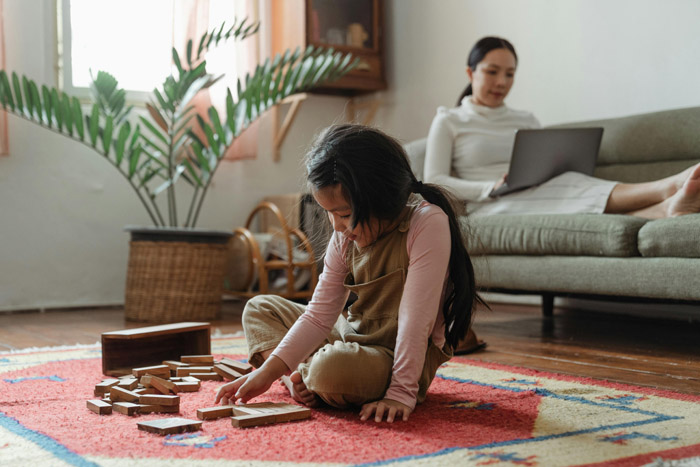
Photo courtesy of Pexels
Is your child entering P1 next year? Apart from securing a ‘good’ school, what else should parents do?
Before you load up on assessment books or look up enrichment schools, think about the life that you want your child to lead. Here are two scenarios to consider:
- Routine A: A child doesn’t have much time for leisure activities. Instead, he has a packed schedule with enrichment classes for chess, drums, soccer, tennis, and swimming. If he falls behind in school, one of his activities will be replaced with tutoring instead.
- Routine B: For every hour spent studying, a child gets one hour of free time for play or personal exploration. Bedtime is strictly at 9.30PM, and activities are spread out over the week, so that the child feels rested, and is better equipped to learn and explore interests at their own pace.
Which routine is healthier? This is something you can start thinking about now — having this in mind will help you set the tone and rhythm for your child’s next six years in primary school.
Advertisement
Below, we’ll talk about academics, as well as other aspects of school life that you can help your child to prepare for.
Academic Skills for Primary 1
If your child has attended kindergarten, they are likely to have picked up these skills:
Literacy Skills
- For English, to read and write the 26 letters of the alphabet in capital and small letters
- Write one’s name in English and the Mother Tongue
- Read and write simple words in English and the Mother Tongue
- Read and construct simple sentences (orally) in English and the Mother Tongue
- Understand simple instructions in English and the Mother Tongue
Numeracy Skills
- Count from one to 20
- Tell the time
- Know the values of dollar notes and coins
But don’t worry if your child doesn’t have all of these skills, because primary schools have learning support programmes to help students catch up.
For English and Maths, weaker students will be identified at P1, through screening tests that will be conducted upon school entry. For Mother Tongue Languages, weaker students will be identified at P2 to join a support programme at P3 and 4. (Note that schools may differ in how they run their support programmes.)
Students who continue to face challenges after intervention may be advised to test for learning difficulties such as dyslexia. According to past estimates, about 12 to 14 percent of P1 children will require additional support.
On the other hand, if your children are fast learners, you may be tempted to help them ‘skip ahead’ by working on advanced material. However, educators will advise against this, as overpreparation can hinder learning.
First, children may feel exhausted with too many enrichment activities, and second, they may become bored in school as they are already familiar with the material. Worse, they may adopt their own learning shortcuts or decide that teachers are not worth listening to, which will increase their disengagement from school.
There is no need to give a P1 child materials from P2 and beyond — let the school set the pace. If your child is truly gifted, they can transfer to the Gifted Education Programme (GEP) after the screening process in P3.
Life Skills for School Readiness
Beyond academics, there are certain things that a child will be expected to do in school. These can be considered daily life skills, which include:
- Getting dressed (your child can practise putting on the school uniform before school begins)
- Putting on shoes and tying shoelaces, if not using shoes with velcro
- Packing a school bag
- Keeping track of one’s belongings
- Asking for permission (e.g. to use the bathroom) and asking for help (e.g. alerting the teacher if one feels ill)
- Copying or writing a teacher’s instructions into the student handbook
- Ordering food, and eating within a specified time
- Handling money and change
- Basic hygiene habits, such as ensuring that a toilet is clean after use, and the washing of one’s hands
These skills may take some time to develop, so it’s best to get an early start!
Transferable Skills for Thriving in School
If your child is exceptionally shy, be prepared that they may hardly speak up in primary school. These days, teachers are more attuned to the needs of introverts, and they may try to help such students feel more comfortable, such as by pairing them with ‘gentler’ seatmates.
On your part, once you know which school your child is going to, you can kickstart your networking efforts, and try to arrange playdates for your child to get to know fellow schoolmates before school officially begins. If they should find it difficult to make new friends within the school setting, you should create opportunities for them to build solid friendships outside of school, because learning to connect with others is essential for self-development.
If your child is sociable and comfortable in new situations, you can use frameworks such as UNICEF’s 12 Transferable Skills to identify their areas for growth. For instance, if your child is a natural leader, you can assess if they need to develop more empathy and compassion, or work on their co-operative skills. One way to encourage your child to see things from a different perspective is through volunteer work. Alternatively, you could find ways to socialise widely and build genuine friendships with others from different cultures, or different walks of life.